Small Mammals in Changing Forests
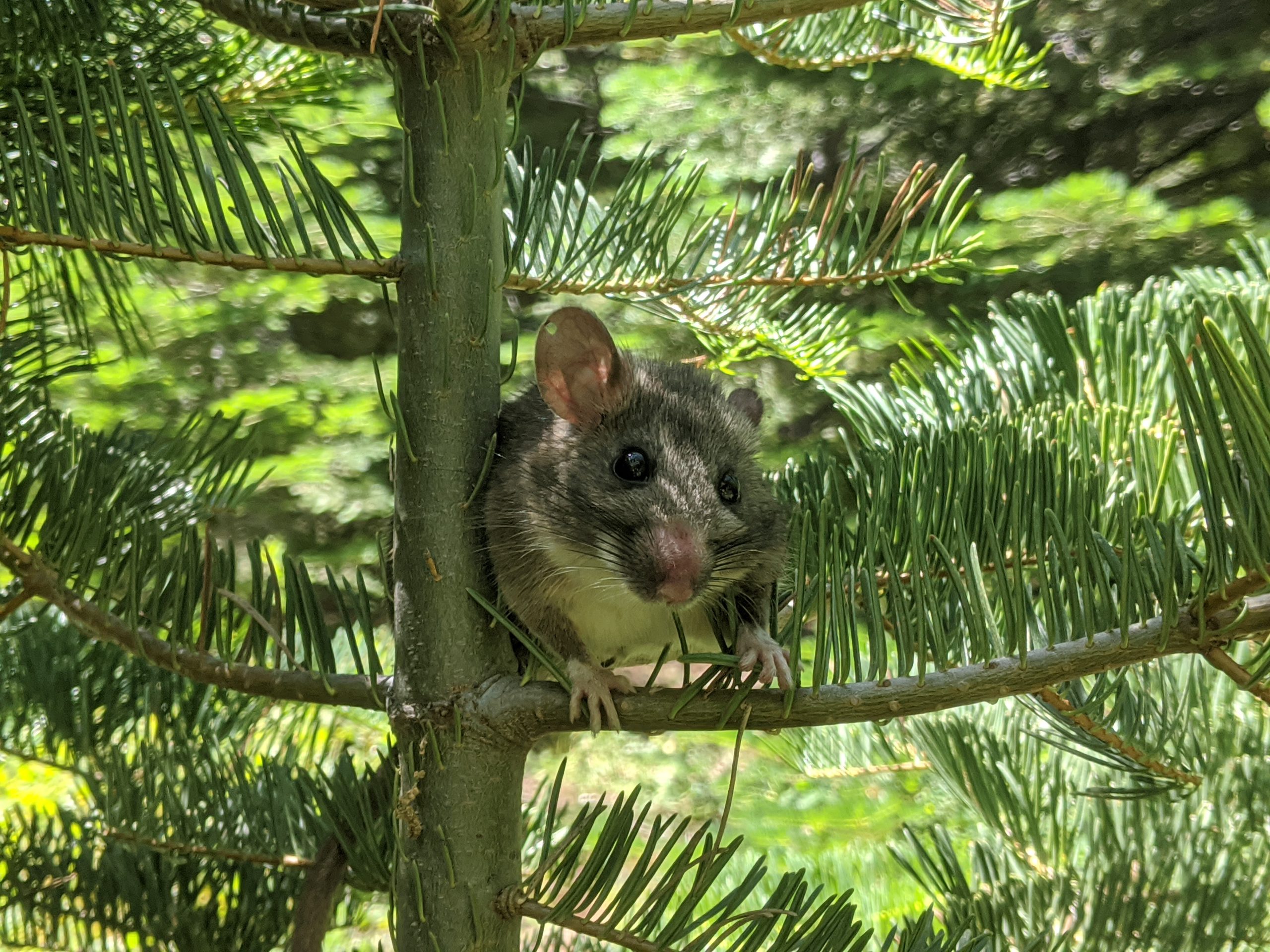
Small mammals are among the most influential animals in forest ecosystems. They disperse seeds, enhance soil structure, shape vegetation diversity and invertebrate communities, and form a critical prey base for the predators that depend on them. Because they respond quickly to environmental change, small mammals are also sensitive indicators of habitat condition and useful models for studying the drivers of ecosystem dynamics under a changing climate. Their populations may be shaped from below by resource availability and from above by predation, making careful monitoring of their abundance, demography, and dispersal especially important.
One line of research in the Pauli Lab examines how changing winters reshape small mammal communities and, in turn, their predators. Across much of the northern hemisphere, many small mammals are subnivium-dependent, relying on a thermally stable refuge beneath the snowpack to survive the harsh winter. In northern forests these species include southern red-backed voles, white-footed and deer mice, and northern short-tailed shrews. As winter conditions change and snowpack grows less reliable, these communities are expected to shift, with consequences that extend well beyond the small mammals themselves: predators that rely on them in both winter and summer may decline, while altered patterns of seed dispersal and herbivory may reshape forest composition. Our work in the Chequamegon-Nicolet National Forest and Apostle Islands National Lakeshore in northern Wisconsin asks how competition, snow conditions, and resources govern small mammal demography and community composition. The region is increasingly marked by variable winters, with later snow onset and a less stable subnivium that can depress overwinter survival and drive large population swings. We pair live-trapping methods in both winter and summer with measurements of vegetation structure, snow depth, temperature, and tree seed production to draw conclusions about how environmental and habitat change can impact small mammal population dynamics.
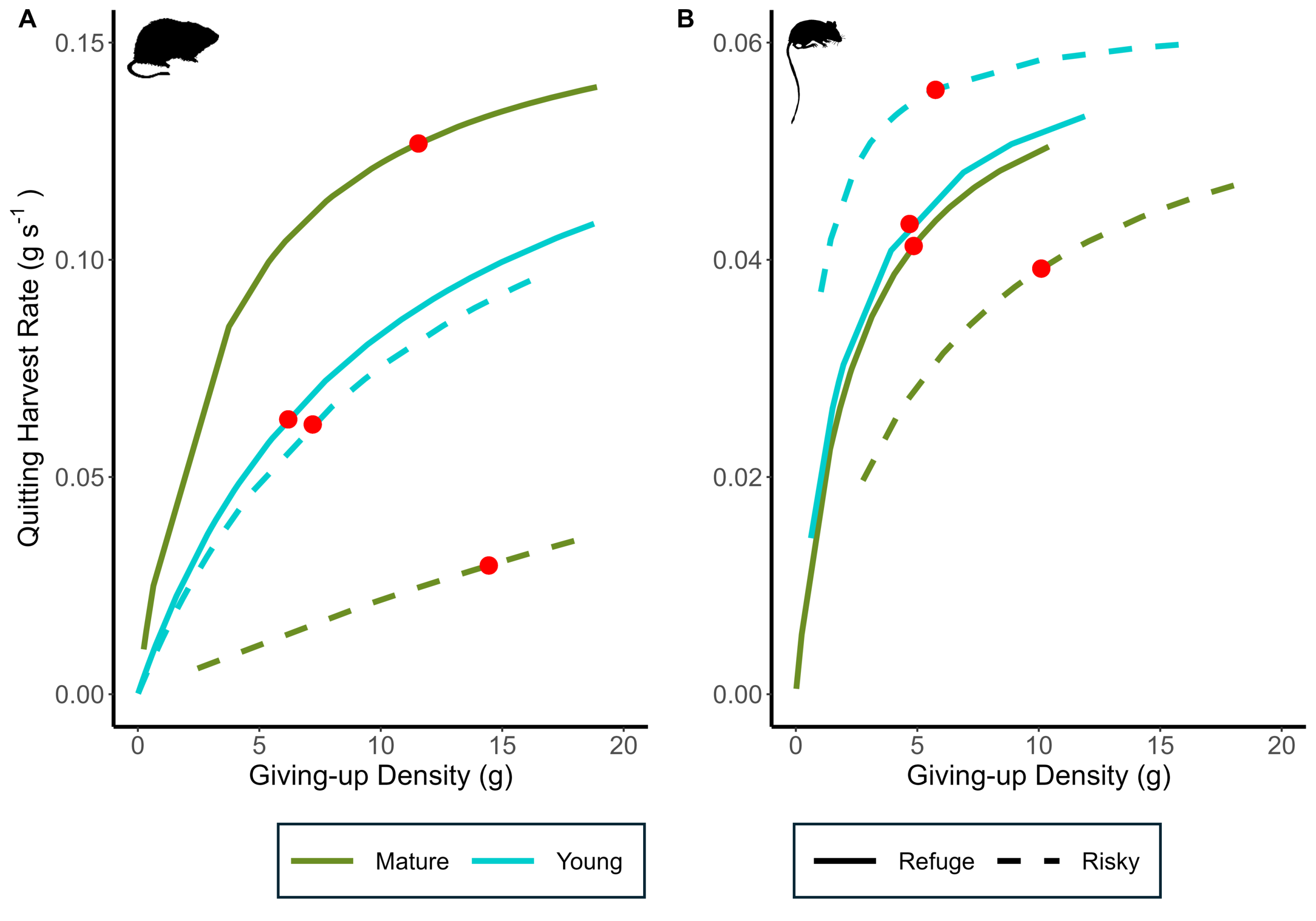
In the Sierra Nevada mountains of California, a complementary line of work focuses on the dusky-footed woodrat, a key prey of the spotted owl, which sits at the center of forest management in this rapidly changing yet ecologically important ecosystem. Because owls in this system often rely heavily on woodrats, what drives this prey ultimately influences owl reproduction. Across several projects, we explore the bottom-up and top-down forces acting on woodrats: how resource availability and forest structure shape their demography, distribution, and physiology; how predation and perceived risk shape their survival and foraging behavior; and what conditions mediate these interactions. We combine observational, experimental, and laboratory approaches to understand how these dynamics unfold across a varied and shifting forest landscape.
Project Members: Corbin Kuntze, Jackson Tenney
Funding and support for this work comes from the Wisconsin Department of Natural Resources, US Forest Service, Sierra Pacific Industries, Great Lakes Indian Fish and Wildlife Commission, and the National Park Service.